Quick Overview
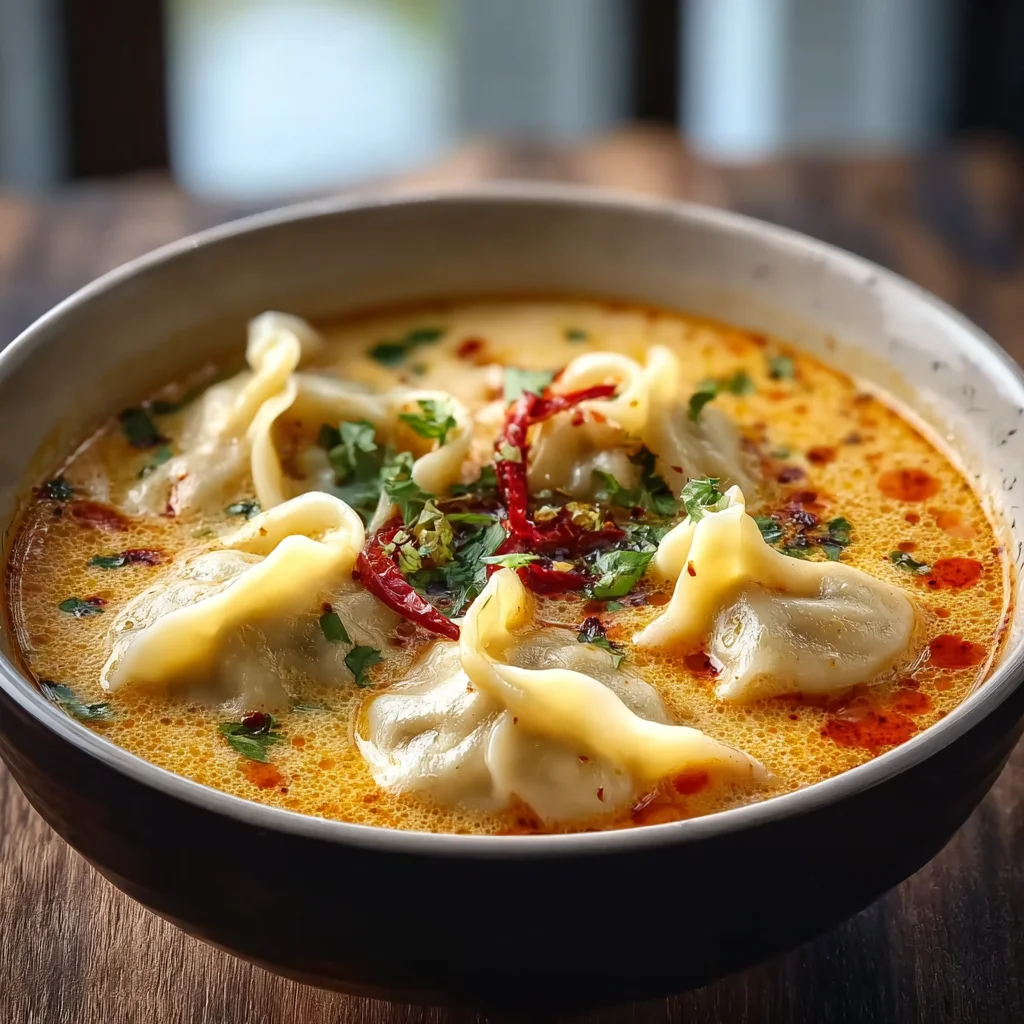
Thai Coconut Curry Dumpling Soup is a delightful dish that combines the rich flavors of coconut milk with aromatic spices and tender dumplings. This soup not only warms your soul but also provides a taste of Southeast Asia right in your kitchen. Perfect for a cozy dinner or a gathering with friends, this recipe brings together the essence of Thailand in every spoonful. Let’s dive into this comforting and flavorful dish that’s sure to impress.
Ingredient Breakdown
H4 subheading: Coconut Milk
Coconut milk forms the base of this delicious soup, offering a creamy texture and rich flavor. Use about 2 cans (13.5 ounces each) for a perfect balance of creaminess and taste.
H4 subheading: Vegetable Broth
Vegetable broth adds depth to the soup while keeping it light. You will need approximately 4 cups of low-sodium vegetable broth to enhance the flavors without overpowering them.
H4 subheading: Fresh Ginger
Fresh ginger provides a warming spice that complements the other ingredients beautifully. Grate about 1 tablespoon of fresh ginger for an aromatic kick that brightens the entire dish.
H4 subheading: Garlic
Garlic adds an essential savory note to the soup. Use 4 cloves of minced garlic to infuse the broth with its robust flavor and health benefits.
H4 subheading: Red Curry Paste
Red curry paste is crucial in creating that signature Thai flavor profile. Incorporate around 3 tablespoons into your soup for a balanced spice level that isn’t overwhelming.
H4 subheading: Soy Sauce
Soy sauce enhances umami notes in the dish. Add about 2 tablespoons of low-sodium soy sauce to enrich the overall flavor without making it too salty.
H4 subheading: Dumplings
The dumplings are the stars of this dish! You can use store-bought or homemade dumplings—about 20 pieces will suffice for a satisfying meal.
H4 subheading: Fresh Cilantro
Fresh cilantro adds brightness and freshness as a garnish. Chop up about ½ cup of fresh cilantro leaves to sprinkle on top before serving.
Step By Step Recipe : Thai Coconut Curry Dumpling Soup
H4 subheading: Prepare the Aromatics
Start by heating a large pot over medium heat. Once hot, add 1 tablespoon of oil and sauté minced garlic and grated ginger for about 2 minutes until fragrant. This step builds the foundation of flavor in your soup.
H4 subheading: Add Red Curry Paste
Next, stir in 3 tablespoons of red curry paste into the pot with the aromatics. Cook for an additional minute while stirring continuously until the paste becomes fragrant and evenly coats the aromatics. This will intensify the flavors in your soup.
H4 subheading: Pour in Coconut Milk and Broth
Slowly pour in 2 cans (13.5 ounces each) of coconut milk along with 4 cups of vegetable broth into the pot. Stir well to combine all ingredients and bring it to a gentle simmer over medium heat. This creates a creamy base for your delicious soup.
H4 subheading: Season Your Broth
Add 2 tablespoons of low-sodium soy sauce into your simmering broth along with salt and pepper to taste if required. Allow it to simmer for about 10 minutes so that all flavors meld beautifully together, creating a rich broth that is both savory and creamy.
H4 subheading: Cook the Dumplings
Gently add approximately 20 dumplings into your pot once it has reached a simmering point again. Allow them to cook according to package instructions or until they float, which usually takes about 5-7 minutes depending on their type.
H4 subheading: Finish with Fresh Herbs
Once your dumplings are cooked through, remove from heat and stir in chopped fresh cilantro leaves just before serving. This final touch brightens up your Thai Coconut Curry Dumpling Soup and adds freshness that complements all other flavors perfectly.

Serving and Storing Tips
H4 subheading: Serving Suggestions
Serve your Thai Coconut Curry Dumpling Soup hot in bowls topped with additional cilantro if desired. Pair it with lime wedges on the side or serve alongside crusty bread for dipping—perfect for soaking up all that delicious broth!
H4 subheading: Leftover Storage
If you have leftovers, store them in an airtight container in the refrigerator for up to three days. Reheat gently on medium heat before serving again; avoid boiling as it may alter texture or flavor.
H4 subheading: Freezing Options
For longer storage options, freeze portions in freezer-safe containers or bags after cooling completely. They can last up to three months when stored correctly—just thaw overnight in the refrigerator before reheating!
Mistakes to avoid
Avoiding common mistakes can significantly improve your Thai Coconut Curry Dumpling Soup. One frequent error is using low-quality coconut milk. Always choose full-fat coconut milk for a rich, creamy texture that enhances the overall flavor of the soup. Low-fat options can lead to a thin and unsatisfying result. Another mistake is overcooking the dumplings. They should be tender but firm; otherwise, they become mushy and lose their appealing texture. Additionally, neglecting to balance flavors is a crucial error. Ensure you taste as you go, adjusting salt, acidity, and sweetness to create a harmonious dish.
Overloading the soup with too many ingredients is another pitfall to avoid. While it may be tempting to add various vegetables and proteins, simplicity often leads to better results in Thai Coconut Curry Dumpling Soup. Stick to a few key ingredients that complement each other well. Lastly, don’t skip the fresh herbs and lime juice at the end. These elements bring brightness and freshness to the dish, making it more enjoyable.
Tips and tricks
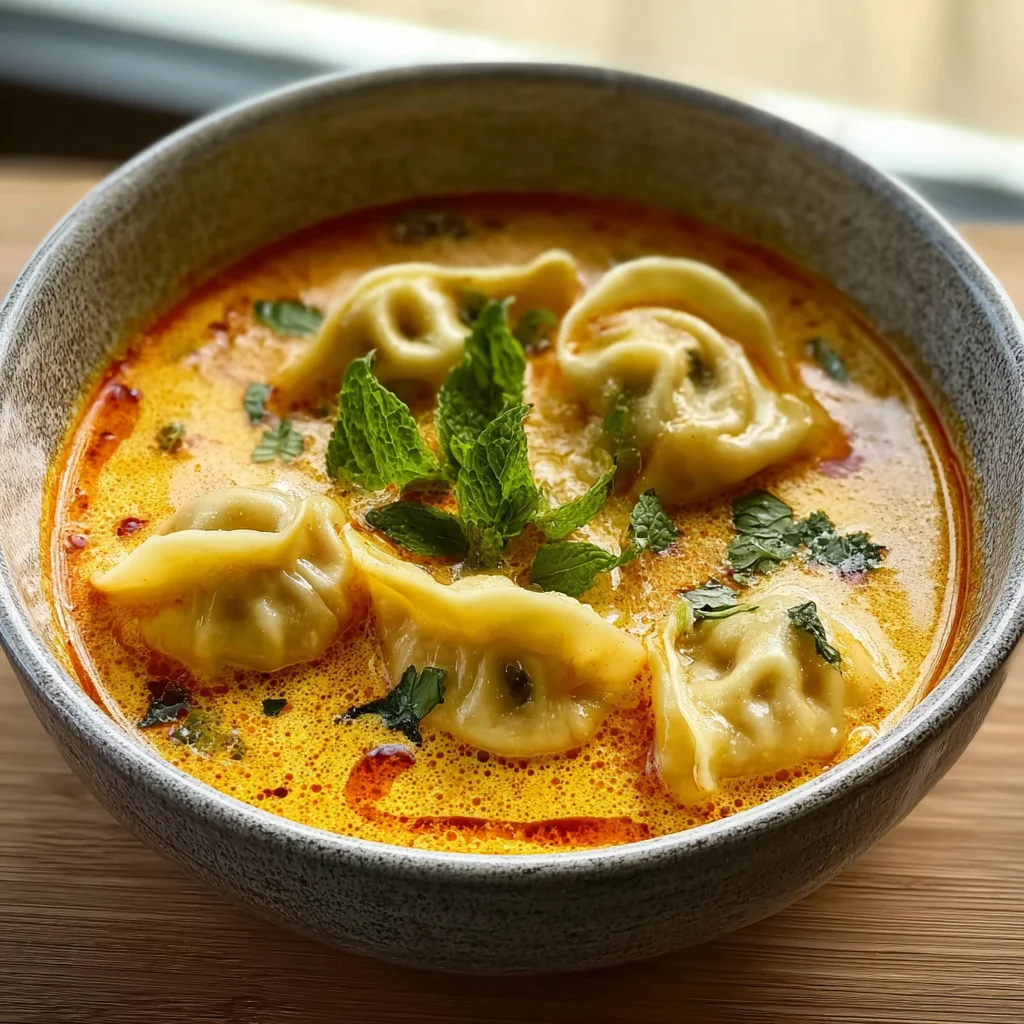
To create an exceptional Thai Coconut Curry Dumpling Soup, focus on your broth’s flavor base. Start by sautéing aromatics like garlic, ginger, and onion in a splash of oil until fragrant. This step lays a solid foundation for your soup’s depth of flavor. Consider adding lemongrass for an authentic touch that elevates your dish even further. When preparing dumplings, opt for homemade or high-quality store-bought options for optimal taste and texture.
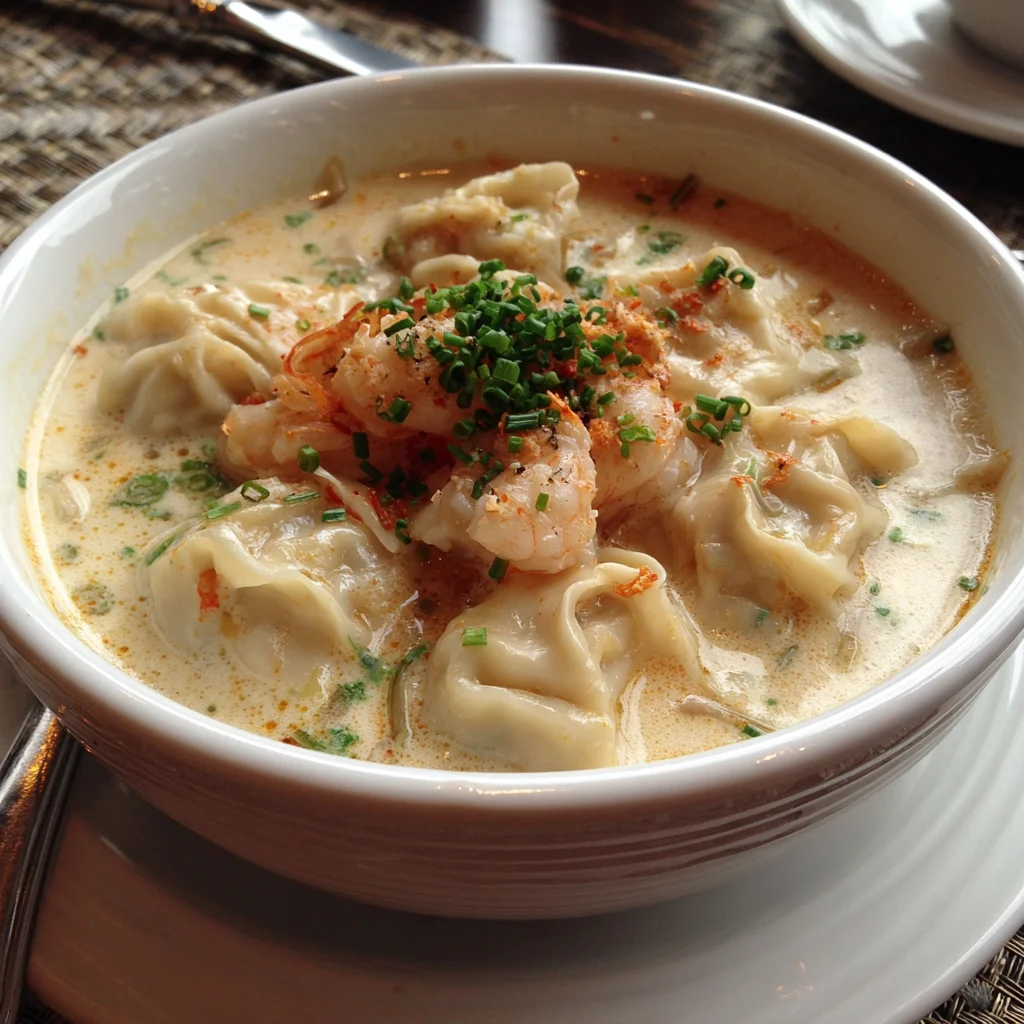
Another essential tip is to customize your soup according to your preferences or dietary needs. Feel free to substitute proteins like shrimp or tofu based on what you enjoy or have on hand. You can also experiment with different vegetables such as bell peppers or mushrooms that will absorb flavors beautifully while adding nutrition.
Cooking time matters as well; watch closely so that your dumplings cook just right without becoming overly soft or losing their shape in the broth. Additionally, serving your soup with fresh cilantro or Thai basil adds an aromatic finishing touch that enhances both flavor and presentation.
Suggestions for Thai Coconut Curry Dumpling Soup
For a delightful twist on your Thai Coconut Curry Dumpling Soup, consider adding some heat with sliced red chili peppers or a splash of sriracha if you enjoy spicy food. This addition brings warmth that complements the creamy coconut base well. Another suggestion is to serve the soup with lime wedges on the side, allowing everyone to squeeze fresh lime juice into their bowls before eating.
Pairing your soup with jasmine rice or rice noodles can make it heartier and more filling, turning it into a complete meal suitable for any occasion. Alternatively, consider serving it alongside some crispy spring rolls for added texture and variety in flavors.
If you’re looking for ways to increase nutrition without sacrificing taste, adding leafy greens like spinach or bok choy provides extra vitamins while cooking down quickly in the hot broth without losing their nutrients.
FAQs
What are the best herbs for Thai Coconut Curry Dumpling Soup?
Fresh herbs play a vital role in enhancing the flavor of your Thai Coconut Curry Dumpling Soup. Cilantro is commonly used due to its bright flavor profile that complements the richness of coconut milk perfectly. Thai basil is another excellent option; its slightly spicy notes add depth to your dish while maintaining authenticity. Mint can also provide a refreshing contrast if you’re looking to elevate flavors further.
Can I make this soup vegetarian?
Yes! To create a vegetarian version of Thai Coconut Curry Dumpling Soup, simply replace any meat-based ingredients with plant-based alternatives such as tofu or tempeh. Use vegetable broth instead of chicken broth for added depth without compromising taste. Many vegetables work beautifully in this recipe; just ensure they complement each other well while providing diverse textures.
How do I store leftovers of Thai Coconut Curry Dumpling Soup?
Store any leftover Thai Coconut Curry Dumpling Soup in an airtight container in the refrigerator for up to three days. When reheating, gently warm it on the stove over medium heat rather than microwaving it; this ensures even heating while preserving texture quality—if needed, add extra coconut milk or broth during reheating if it thickens too much after sitting.
Can I freeze this soup?
Freezing your Thai Coconut Curry Dumpling Soup is possible but requires some precautions since dumplings may become soggy upon thawing if not frozen properly first! Before freezing leftovers, remove dumplings from the broth; place them separately into freezer-safe containers along with cooled broth for maximum quality retention when reheating later!
What’s the ideal consistency for this soup?
The perfect consistency for Thai Coconut Curry Dumpling Soup strikes a balance between creamy and brothy textures—too thick might overwhelm flavors while being too watery dilutes them! Aim for a rich yet smooth experience where every spoonful delivers satisfying creaminess without being heavy overall; adjust thickness levels by controlling how much liquid you add initially based on personal preference!
Can I use different types of dumplings?
Absolutely! While traditional Asian dumplings fit seamlessly within this recipe framework—consider experimenting with other styles like wontons or even gnocchi depending on availability/preference! Just ensure whatever type you select cooks correctly within given timeframe so they don’t become overly soft during simmering phases—enjoy customizing each bowl!
Summary
In summary, creating an outstanding Thai Coconut Curry Dumpling Soup involves avoiding common mistakes such as using low-quality ingredients or overcooking dumplings while embracing valuable tips like customizing flavors according to personal preferences! Store leftovers properly and experiment with freezing techniques if desired—this dish offers endless possibilities through simple adjustments! With these guidelines in mind, you’ll achieve delicious results sure to impress anyone who tries it!